The Ultimate Guide to Understanding ESG in 2024

What is ESG all about?

  • ESG is the acronym for Environmental, Social, and Governance.
  • ESG is defined as a company process that involves environmental, social, and governance practices.
  • ESG is considered a non-financial factor applied in the investment analysis process by investors.
  • Investment management in recent years has considered ESG a very important topic.
  • The three broad categories are generally termed ‘socially responsible investors’.
  • These investors (ESG) are not only concerned with investment profitability and risk.
  • They are concerned about the importance of adding value and incorporating this value into their section of investment.

The Growth of ESG

  • In the last few years, ESG has grown exponentially and has become increasingly popular.
  • It is most likely to be considered an investment approach used by millennials.
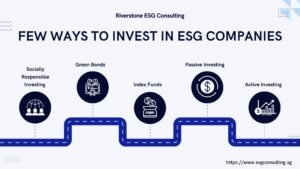
  • The financial service industry in response to the growing demand for ESG investment has offered ESG exchange-traded funds.
  • The two largest ESG providers known are:
    • Black Rock and Vanguard
    • They both offer clients an option of ESG funds.

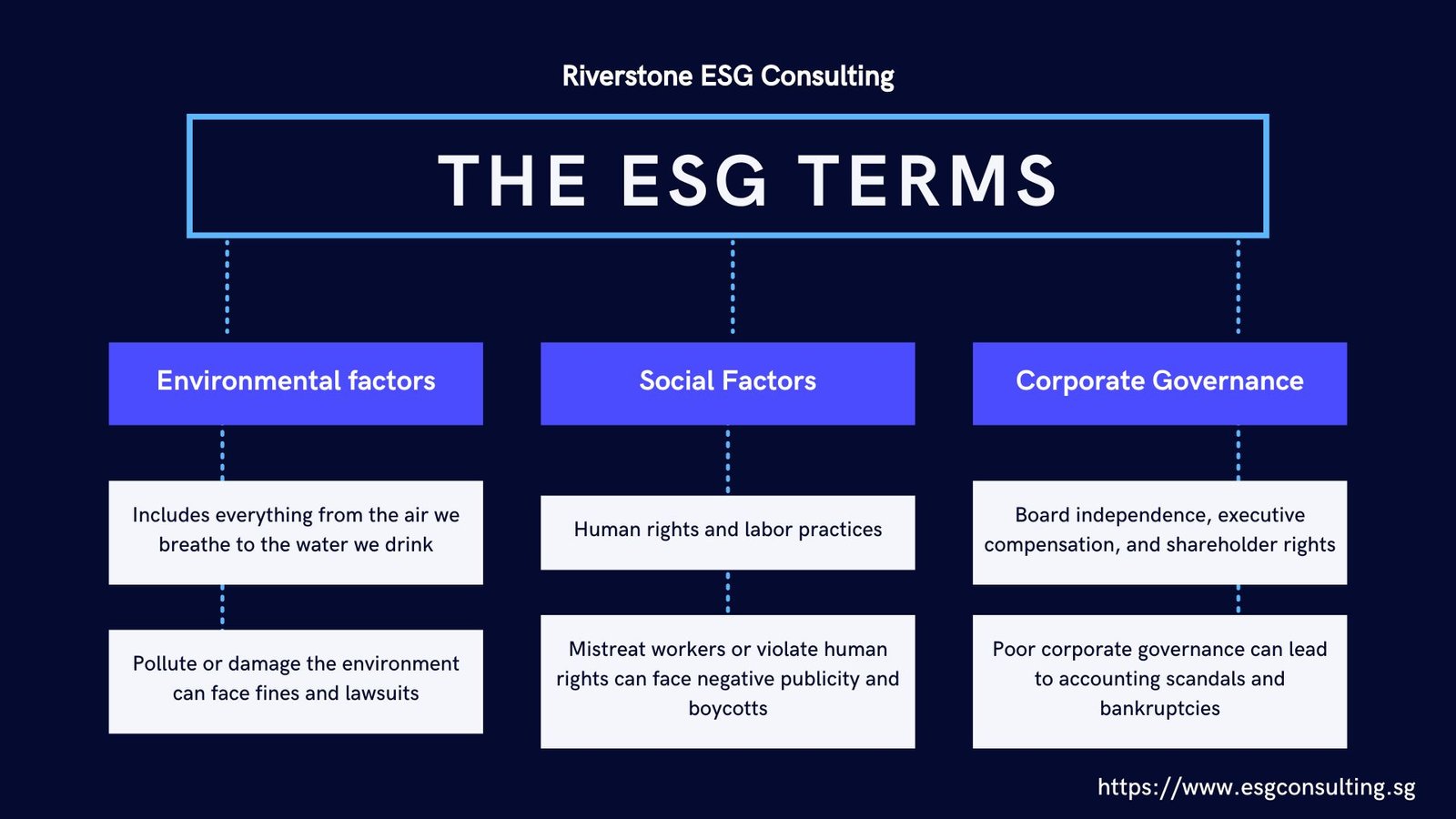
The ESG terms/ ESG factors

The terms Environmental (ES), Social (SO), and Corporate Governance (CG) are often used interchangeably, but they have specific meanings.

  • CG is the process by which a company is directed and controlled.
  • SO is the branch of sociology that examines human behavior in social groups.
  • ES is the study of how humans interact with their natural environment.

Environmental factors

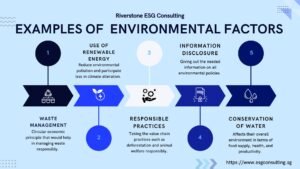
  • The environment includes everything from the air we breathe to the water we drink.
  • Companies that pollute or damage the environment can face fines and lawsuits.

Social Factors

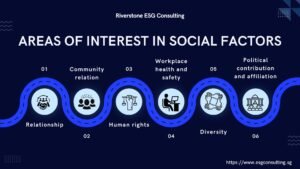
  • Social factors include things like human rights and labor practices.
  • Companies that mistreat their workers or violate human rights can face negative publicity and boycotts.

Corporate Governance

  • Corporate Governance (CG) includes things like board independence, executive compensation, and shareholder rights.
  • Poor corporate governance can lead to accounting scandals and bankruptcies.
Guide to Understanding ESG in 2024

Frequently Asked Questions

Q1. What does ESG stand for, and why is it important?

ESG stands for Environmental, Social, and Governance. It is a framework used to evaluate how a business manages its environmental impact, social responsibilities, and corporate governance. ESG has become increasingly important because investors, customers, regulators, and other stakeholders use these factors to assess a company’s long-term sustainability, resilience, and overall business performance.

Businesses can begin by identifying the ESG issues most relevant to their industry, setting measurable sustainability goals, establishing governance policies, and tracking key performance indicators. Many organizations also conduct materiality assessments and prepare ESG reports to communicate their progress while meeting stakeholder expectations.

The three pillars of ESG include:

  • Environmental: Managing energy use, carbon emissions, waste, water consumption, and climate-related risks.
  • Social: Supporting employee wellbeing, diversity and inclusion, human rights, workplace safety, and community engagement.
  • Governance: Promoting ethical leadership, regulatory compliance, transparency, board oversight, and effective risk management,

No. ESG principles can benefit businesses of all sizes, including small and medium-sized enterprises (SMEs). Adopting ESG practices can improve operational efficiency, strengthen stakeholder trust, support regulatory compliance, and create opportunities to attract customers, investors, and business partners who value sustainable business practices.

ESG reporting helps organizations demonstrate transparency and accountability by disclosing their environmental, social, and governance performance. Effective reporting can improve investor confidence, strengthen brand reputation, identify potential risks, support regulatory compliance, and highlight a company’s commitment to long-term sustainable growth.

The Ultimate Guide to Understanding ESG in 2024

What is ESG all about?

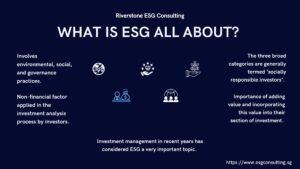
  • ESG is the acronym for Environmental, Social, and Governance.
  • ESG is defined as a company process that involves environmental, social, and governance practices.
  • ESG is considered a non-financial factor applied in the investment analysis process by investors.
  • Investment management in recent years has considered ESG a very important topic.
  • The three broad categories are generally termed ‘socially responsible investors’.
  • These investors (ESG) are not only concerned with investment profitability and risk.
  • They are concerned about the importance of adding value and incorporating this value into their section of investment.

The Growth of ESG

  • In the last few years, ESG has grown exponentially and has become increasingly popular.
  • It is most likely to be considered an investment approach used by millennials.
  • The financial service industry in response to the growing demand for ESG investment has offered ESG exchange-traded funds.
  • The two largest ESG providers known are:
    • Black Rock and Vanguard
    • They both offer clients an option of ESG funds.

The ESG terms/ ESG factors

The terms Environmental (ES), Social (SO), and Corporate Governance (CG) are often used interchangeably, but they have specific meanings.

  • CG is the process by which a company is directed and controlled.
  • SO is the branch of sociology that examines human behavior in social groups.
  • ES is the study of how humans interact with their natural environment.

Environmental factors

  • The environment includes everything from the air we breathe to the water we drink.
  • Companies that pollute or damage the environment can face fines and lawsuits.

Social Factors

  • Social factors include things like human rights and labor practices.
  • Companies that mistreat their workers or violate human rights can face negative publicity and boycotts.

Corporate Governance

  • Corporate Governance (CG) includes things like board independence, executive compensation, and shareholder rights.
  • Poor corporate governance can lead to accounting scandals and bankruptcies.
Guide to Understanding ESG in 2024

Frequently Asked Questions

Q1. What does ESG stand for, and why is it important?

ESG stands for Environmental, Social, and Governance. It is a framework used to evaluate how a business manages its environmental impact, social responsibilities, and corporate governance. ESG has become increasingly important because investors, customers, regulators, and other stakeholders use these factors to assess a company’s long-term sustainability, resilience, and overall business performance.

Businesses can begin by identifying the ESG issues most relevant to their industry, setting measurable sustainability goals, establishing governance policies, and tracking key performance indicators. Many organizations also conduct materiality assessments and prepare ESG reports to communicate their progress while meeting stakeholder expectations.

The three pillars of ESG include:

  • Environmental: Managing energy use, carbon emissions, waste, water consumption, and climate-related risks.
  • Social: Supporting employee wellbeing, diversity and inclusion, human rights, workplace safety, and community engagement.
  • Governance: Promoting ethical leadership, regulatory compliance, transparency, board oversight, and effective risk management,

No. ESG principles can benefit businesses of all sizes, including small and medium-sized enterprises (SMEs). Adopting ESG practices can improve operational efficiency, strengthen stakeholder trust, support regulatory compliance, and create opportunities to attract customers, investors, and business partners who value sustainable business practices.

ESG reporting helps organizations demonstrate transparency and accountability by disclosing their environmental, social, and governance performance. Effective reporting can improve investor confidence, strengthen brand reputation, identify potential risks, support regulatory compliance, and highlight a company’s commitment to long-term sustainable growth.

Related Posts

Transform Data Into Impact With Expert ESG Reporting

Ensure transparency, meet compliance, and build stakeholder trust-connect with us today.