ESG in Malaysian SMEs and Supply Chains
Introduction: Certified ESG Training for Malaysian SMEs
Over the last few years, there has been a substantial change in the perception of sustainability by businesses in Malaysia. What was initially a fringe issue is now a strategic issue- particularly to small and medium size enterprises (SMEs) which make the foundation of the economy of the country. The increasing demand of transparency and accountability in the environmental, social, and governance (ESG) practices of global and regional trade partners is putting the Malaysian SMEs under pressure to conform the operations to the expectations of sustainable international sustainability performance. Even supply chains are coming under increasing scrutiny. Huge companies, especially those that have international consumers, are now demanding their suppliers to prove that they are following ESGs as a means to reduce the risks and keep investors on board. This development is an indicator of a new dawn in which the integration of ESGs has ceased to be a mere corporate responsibility but has turned into a competitive advantage to the SMEs in Malaysia.The Reason Why ESG is important to Malaysian SMEs.
In the case of most Malaysian SMEs, the ESG practices extend further than ethical business practices, but long-term sustainability and global opportunities. Firms with high ESG performance are usually more readily financed, better trusted by the stakeholders, and better branded. In addition, buyers and investors around the world are focusing on sustainable sourcing and local suppliers must increase their level of sustainability or risk losing their market access. With properly designed ESG policies, SMEs can become more efficient in their operation, will be able to invest and secure their business in a world full of stricter regulations.The ESG in the Supply Chain Sustainability.
The ESG footprint of a company is not only on its internal activities but it covers the whole supply chain. Since raw material sourcing to logistics and distribution, all these stages are part of the sustainable performance of a company. This is what renders the supply chain transparency an essential aspect of ESG compliance. Multinational corporations (MNCs) would be more likely to maintain a partnership with suppliers that can demonstrate responsible environmental management, fair labour practices and good governance. Indeed, other international brands have been introducing ESG-related statements into the suppliers contracts, which demand evidence of adherence to the same as a pre-condition to be engaged. To help businesses meet these growing demands, esg implementation and reporting training for malaysian smes plays a vital role in equipping local enterprises with the knowledge and tools to embed sustainability into their day-to-day operations. These programs educate the SMEs in terms of recognizing material ESG risks, setting the relevant metrics, and in coming up with transparent reporting systems in line with global guidelines such as GRI and TCFD.ESG Dilemmas in Malaysia SMEs.
Although the ESG principles are becoming increasingly popular, most SMEs are yet to implement them because of:- Lack of Resources: Smaller companies tend to have less financial and technical means to perform sustainability evaluation or draw up elaborate ESG reports.
- Confusing Rules: There are a lot of international and national regulations that may be confusing to navigate without any guidance
- Data Gaps: A lot of SMEs find it hard to gather regular ESG-related data and performance measurement and reporting becomes challenging.
- Cultural Resistance: Leadership commitment and organizational change will be needed to change the mindset of short-term profit to the long-term sustainability.
The Increasing Significance of Sustainable Supply Chain.
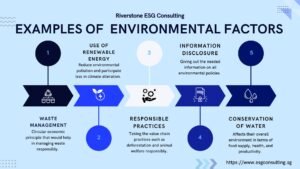
One of the biggest opportunities in terms of ESG transformation in Malaysia is represented by supply chains. Firms, which are able to cope with supply chain risks, are at a better position to increase resilience, minimized costs and international compliance requirements. Sustainability in supply chains may touch on various areas:- Environ: Decreasing carbon footprints by using effective logistics, decreasing wastes, and using renewable energy.
- Social: Fair wages, health and safety standards and involvement of the community throughout the supply chain.
- Governance: Ensuring transparency, ethical sourcing and adherence to the anti-corruption legislation.
ESG Integration: Step-by-step Process of SME.
In order to integrate ESG principles successfully, SMEs may use a step-by-step process:- Determine Current Operations: Determine environmental and social risks in internal operation and supplier networks.
- Set Realistic Goals: Put in place quantifiable ESG targets that are in tandem with the international standards as well as local laws.
- Create Policies and Training: Workforce: Teach employees about sustainability policies and best practice and train employees at all levels.
- Review and publicize Progress: Dashboard and the critical performance measures (KPIs) and report progress through annual sustainability reports.
Institutional and Governmental Support.
The regulatory environment in Malaysia is getting conducive to the adoption of ESG. Guidelines have been issued by agencies (like Bursa Malaysia, the Securities Commission Malaysia (SC) and Bank Negara Malaysia (BNM) and are urging companies and even SMEs to adopt sustainable finance and ESG disclosures. The Sustainability Reporting Framework by Bursa Malaysia, e.g. gives an excellent guide on what is required of ESG reporting where the Value-Based Intermediation (VBI) initiative by BNM is an incentive to financial institutions on the need to include sustainability in their credit and investment decisions. These initiatives together with increasing public-private relationships can assist in enabling more SMEs to begin their ESG journey.The ESG Adoption in Supply Chains Benefits.
The inclusion of ESG principles provides the tangible positive values to SMEs and their supply chains:- Greater Access to Finance: Banks are becoming more and more attracted to companies that display good ESG practices in issuing loans or investor capital.
- Better Risk Management: ESG application can enable businesses to prevent and predict the risks in the environment and society before they become critical.
- Better Market Position: SMEs can use being a sustainability leader to get partners with MNCs and international purchasers.
- Heightened Productivity: The ESG-inspired measures such as the minimization of waste, energy conservation, and sustainable sourcing might reduce the costs of operation.
The Future of Malaysian Supply Chains ESG.
As the country of Malaysia embarks on the challenges of national sustainability, the SMEs will remain central in driving the transformation of the country in terms of ESG. The development of digital technologies, data analytics, and green innovation will also contribute to the further improvement of measuring and improving ESG performance of business. In the meantime, the pressure on ESG-compliant supply chains will continue growing as global stakeholders, such as investors or consumers, want to receive even greater accountability and transparency. The change will make the Malaysian SMEs that adopt ESG early preferred partners both at the regional and international market.Conclusion
ESG integration in SMEs and supply chains is no longer an option, but a strategic necessity to a Malaysian business that wants to be successful in the long-run in the global economy. Through the utilization of the available resources like esg implementation and reporting training to malaysian smes and sustainable supply chain management and esg compliance workshop to businesses, the organization can improve its sustainability performance and market credibility, and it is able to meet the global expectation of sustainable business conduct. Sustainability can be a complicated process, but in the case of Malaysian SMEs that make a first move, the process can afford them unequaled growth, innovation, and competitive opportunities in the global market.Frequently Asked Questions
Q1. What is Certified ESG Training for Malaysian SMEs?
Certified ESG Training for Malaysian SMEs is a professional programme designed to help small and medium-sized enterprises understand and implement environmental, social, and governance (ESG) practices. The training provides practical guidance on sustainability reporting, ESG risk management, governance, and integrating sustainability into business operations and supply chains.
Q2. Why is ESG important for Malaysian SMEs?
ESG is becoming increasingly important as investors, customers, regulators, and multinational companies expect businesses to demonstrate responsible environmental and social practices. Strong ESG performance can improve access to financing, strengthen stakeholder trust, enhance competitiveness, and help SMEs meet supply chain sustainability requirements.
Q3. What topics are typically covered in ESG training for SMEs?
Training programmes commonly cover ESG fundamentals, sustainability reporting frameworks, ESG risk assessment, governance practices, stakeholder engagement, supply chain sustainability, climate-related risks, materiality assessments, and ESG implementation strategies. Participants also learn how to measure and report ESG performance effectively.
Q4. What challenges do Malaysian SMEs face when implementing ESG?
Common challenges include limited financial and technical resources, difficulties collecting ESG data, understanding evolving sustainability regulations, and building internal ESG expertise. ESG training helps SMEs overcome these challenges by providing practical tools, frameworks, and implementation guidance.
Q5. How can Certified ESG Training benefit Malaysian SMEs?
The training helps SMEs build internal sustainability capabilities, improve regulatory readiness, strengthen ESG governance, enhance sustainability reporting, and increase their attractiveness to investors, lenders, and international business partners. It also supports long-term business resilience and sustainable growth in increasingly ESG-focused markets.