ESG Compliance in Media and Entertainment: A Strategic Priority for a High-Influence Industry
Introduction to Certified ESG Compliance Media Training
The entertainment and media industry is in a unique position of creating the stories of the people, change in culture, and affecting the world dialogue. With a more conscious audience that does not only demand more information about the production of the content but also investors who value sustainability, media companies are increasingly being pressured to implement ESG principles in their operations. In addition to the tellings, the industry should show that it is responsible in its management of the environmental impact, employee welfare, system of governance and the ethical way it exercises its influence.
This article is a discussion of ESG compliance in the media and entertainment industry, with particular reference to how businesses can incorporate sustainability in production, distribution and the organization itself. We examine as well the financial, reputational and regulatory consequences of ESG on an industry that feeds on the perception of the general population.
1. Sustainability of Media Operations to the Environment.
1.1 Inculcating ESG in Production and Filmmaking.
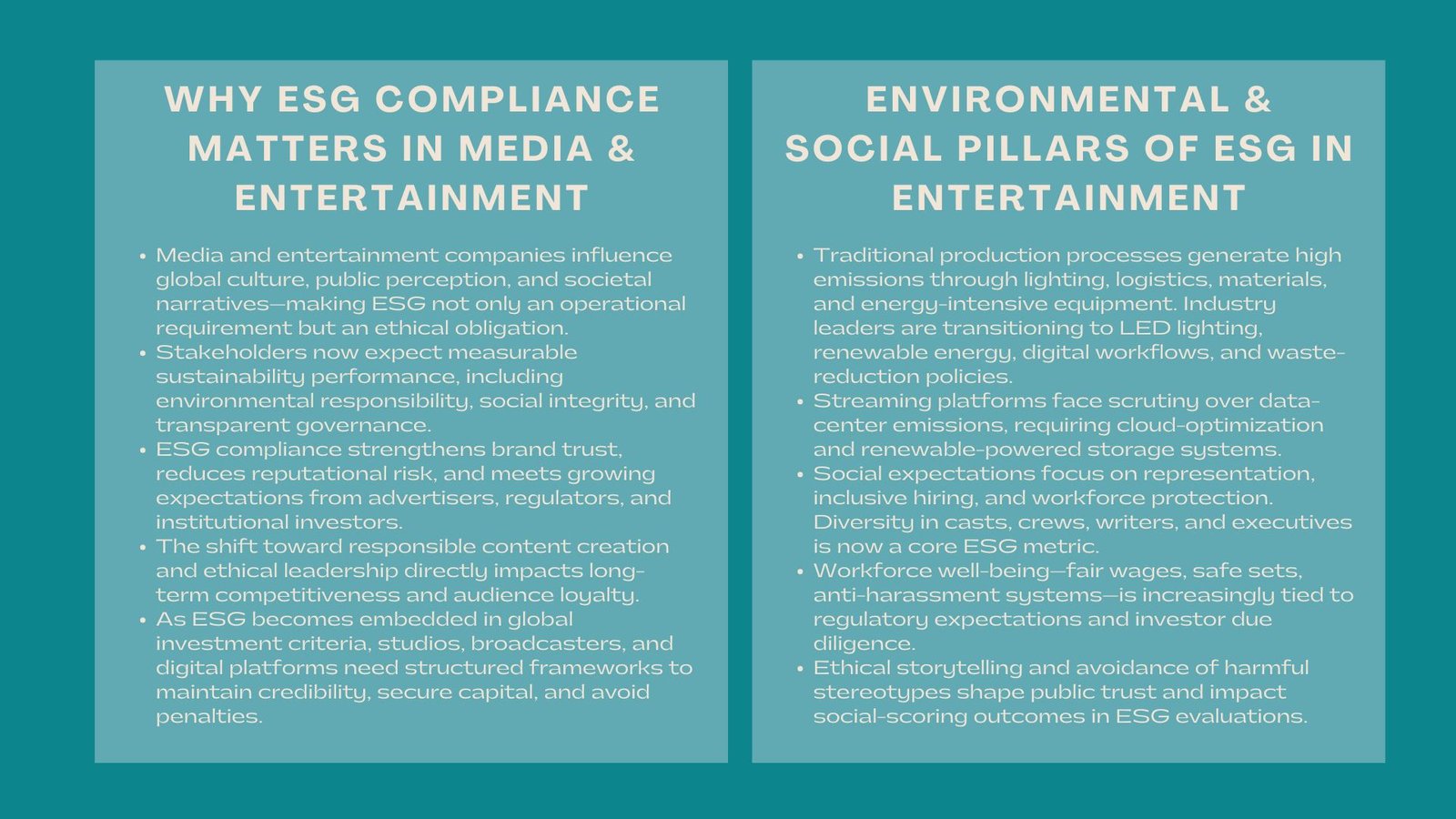
Old fashioned film and television production uses a lot of resources -lighting, equipment that is energy consuming, a fleet of transportation and the materials that can be discarded on the set. Although in the past the entertainment companies have ignored the effect of the environment in an attempt to be creative and meet deadlines, the current stakeholders are requiring quantifiable sustainability results.
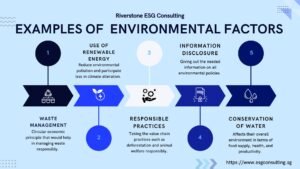
The studios are also becoming greener in production: they are changing their lighting to LED, are using renewable energy sources, are reducing single-use plastic items, and creating digital production processes that create less physical waste. In a time when environmental responsibility has a direct impact on brand reputation, the decisions made at operations should be aligned with long term sustainability policies.
1.2 Digital Infrastructure and Sustainable Content Distribution.
With the shift to streaming as a new source of media consumption, the volume of carbon emission is attributed to data centers and servers. Business organisations are more and more being called upon to monitor and report the environmental footprint of digital content delivery.
This has prompted the big players into investing in data centers that are more energy efficient, cloud optimization as well as partnering with renewable energy providers. Effective environmental governance strengthens brand integrity and reduces operational risk—critical factors assessed within frameworks such as the Media ESG compliance checklist used by regulators and investors.
2. Social Responsibility: Representation, Workforce Practices, and Content Integrity
2.1 Diversity and Responsible Representation
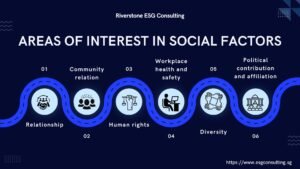
The media sector plays a significant role in shaping the societal norms, and social responsibility is one of the fundamental pillars of the ESG compliance. Viewers and censors have turned their attention to the heterogeneity of casts, crews, management, and narration practices. It no longer is a question of creative choice but it is a sustainability necessity.
Company needs to show clean policies to achieve fair hiring, inclusive casting and ethical development of content. They affect the social scoring directly in the evaluations of ESG and enhance the trust of the stakeholders.
2.2 Healthy and Resources Workplace.
The entertainment industry has struggled with the working hours, harassment, the fairness of the contract, and the physical safety at the set since ancient times. ESG compliance involves a company that must possess stringent procedures in relation to employee welfare, handling of the vendors and health and safety levels.
The scandals associated with labor may have serious impacts on share prices and relations with the advertisers. Due to this fact, there is a growing trend in the move towards strong HR governance and third-party audits as a matter of expectation in sustainability reporting.
2.3 Duty to Be Influential and Responsible in Storytelling.
The media companies influence the opinion of people- and with that comes responsibility. The content must not be associated with harmful stereotypes, misinformation, and unethical images which might be detrimental to vulnerable communities.
Investors are becoming more and more interested in the analysis of whether a company adheres to ethical codes in editorial activity, how risks of misinformation are avoided, and how online platforms cannot amplify harmful content. These social determinants are becoming significant contributors of the value of the enterprise in the long run.
3. Introduction: Governance, Intellectual Property, Data Protection, and Ethical Leadership.
3.1. Powering Intellectual Property and Content Rights Management.
Entertainment business depends so much on copyrights and intellectual property (IP). Bad governance may result in piracy, court battles and loss of major revenue. Governance risks need to be minimized by means of strong internal controls, transparency in the management of contracts, and clear ownership structures.
ESG frameworks consider the extent to which a company manages to protect the creative materials and pay creators a fair amount of money. Intense IP governance is perceived as an indicator of sustainable business in the long run.
3.2 Digital Privacy and Cybersecurity of Data.
Video streaming sites, newspaper websites and online content networks gather a vast quantity of their personal information. Violation of any of them is legal and reputational. Cybersecurity resilience is thus a fundamental governance variable that is evaluated in ESG audit.
Investors would like companies to have strong encryption and open privacy policies, as well as have stringent data-handling policies that would keep them compliant to international data protection regulations like GDPR.
3.3 Corporate Leadership and ethics and anti-corruption.
The scandals of governance, whether on the highest level of misconduct or financial mismanagement can ruin the credibility of a media company within the shortest period of time. ESG compliance models take a keen interest in the leadership arrangements, board independence, whistle blowing policy, and monetary measures.
There is no compromise on transparency and accountability particularly in those industries where reputation in the society is the direct definition of competitiveness in the market.
4. ESG Accounting and Performance Measurement in the Entertainment Industry
4.1 Why the Entertainment Sector Needs Specialized ESG Accounting
Traditional financial accounting does not capture the full sustainability impact of media operations. This is why companies increasingly rely on specialized frameworks such as ESG accounting entertainment industry methodologies that measure energy use, carbon emissions, content ethics, workforce diversity, and governance risks.
These structures assist in transforming qualitative sustainability issues into quantitative measures that are applied by investors, regulators and corporate boards.
4.2 Development of Coherent Media Company Reporting Standards.
It is also a issue in the industry to have consistency in ESG reporting standards because the length of production cycles differs greatly, and the patterns of content delivery remain dynamic. To manage this, companies are coming up with industry-specific accounting principles which entail:
– Intensiveness of carbon per hour of production.
– Emissions at data-centers on a streaming hour basis.
– Casts and crews diversity indicators.
– Safety statistics in the filming process.
These standardized measures assist investors in making comparisons among studios, broadcasters as well as digital platforms.
4.3 External Assurance and Transparency.
As the issue of greenwashing grows, media firms are increasingly talking to independent auditors to ensure that their ESG disclosed reports are true. Approval serves to bolster credibility, as well as, improving relations with advertisers, regulators and investors who are pursuing responsible partners.
Reporting transparency helps to assure the stakeholders that sustainability assertions represent actual performance- minimizing reputational risk and enhancing long term enterprise value.
5. Strategic ESG-Compliance Benefits of Media and Entertainment Companies.
5.1 Enhancing Brand Trust and Audience Loyalty
Consumers also want to see their values reflected in the brands. Companies that are motivated by ESG attract more loyal users and less reputational crisis. Brand perception is improved through the use of ethical production practices and reporting in an otherwise highly competitive environment.
5.2 Enhancing Investor Trust and Capital Access.
Sustainability is becoming an important concern to institutional investors. Media corporations that perform well in ESG have better relations with investors, less Financing costs, and positive risk ratings.
5.3 Enhancing Operational Resilience in the Long-term.
By incorporating the concept of ESG into business, whether by means of energy efficient production, ethical content regulation, or data -security investments, firms minimize their vulnerability to regulatory fines, lawsuits, and damaged reputations.
Such resiliency directly reflects into financial stability in the long-run.
Conclusion
Compliance of ESG in media and entertainment industry is no longer a choice. Sustainability has become the source of value and reputation with increased expectations of audiences, investors, regulators, and the entire society. Businesses who make an early investment in responsible operations whether through ethical narratives or good governance and reporting will shape the future of an industry that is not defined by creativity only but also by accountability and trust.