EU Corporate Sustainability Reporting Directive (CSRD) and ESRS Standards
Introduction to Accredited EU Corporate Sustainability Course
EU Corporate Sustainability Reporting Directive (CSRD) is one of the most radical changes in the corporate sustainability and non-financial reporting in Europe. Instead of the Non-Financial Reporting Directive (NFRD), the CSRD greatly broadens the scope, depth and quality of sustainability reporting by companies operating in the European Union or being linked to the European Union in other ways.
The fundamental purpose of the CSRD is to establish similar, stable, and comparable information on sustainability to the investors and stakeholders. It presents the European Sustainability Reporting Standards (ESRS)- an elaborate framework that gives the manner in which companies ought to report on matters concerning the environment, social and governance in accordance with the sustainability agenda of the EU and global climate agendas.
This directive does not merely work on the EU-based entities but also to non-EU companies with a substantial business activity in the region. This means that the CSRD and ESRS standards are important to the global organizations that are planning to adhere to the new sustainability reporting standards in Europe.
Overview of the CSRD
The CSRD actually became applicable in January 2023 and it is a new era in the context of sustainability reporting in Europe. It increases the companies to report to approximately 50,000 companies under the CSRD (as compared to the NFRD which had approximately 12,000 companies to report).
The policy requires business enterprises to report sustainability information on an equal basis as they do on financial reporting. This includes:
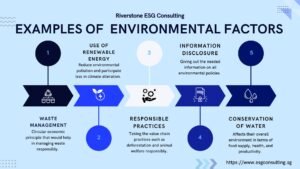
- Environmental performance: Greenhouse gas, resources use and influence on biodiversity.
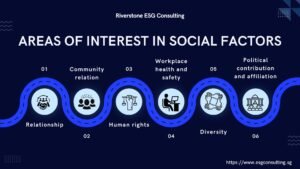
- Social responsibility: Community, human rights, diversity and employee welfare.
- Governance: Anti-corruption, corporate governance and business ethics.
In addition, CSRD has brought digital tagging conditions, which facilitate machine-readable information to encourage transparency and accessibility of information in the markets.
Role of ESRS in Sustainability Reporting.
European Sustainability Reporting Standards (ESRS) are the technical support to the implementation of CSRD. These standards, created by the European Financial Reporting Advisory Group (EFRAG), specify exact requirements for disclosure of any sustainability issues, so as to avoid any lack of alignment to the EU Green Deal and any additional global reporting standards, such as the ISSB and GRI.
The ESRS can be categorized under three important categories:
- Cross-cutting Standards: General principles and disclosure requirements of all entities.
- Topical Standards: Including the topics of environmental (E1-E5) and social (S1-S4) and governance (G1).
- Sector-Specific Standards: (Future) Industry-specific standards, including energy, bank, and factory standards.
This methodology facilitates comparability and consistency through reports and flexibility to sector-specific issues.
The importance of CSRD and ESRS to Companies.
The implementation of CSRD and ESRS completely alters the practice of the management and reporting of sustainability by the companies. It involves teaching organizations to consider ESG in corporate strategy, governance and decision making processes.
Key benefits include:
- Improved level of transparency and investor confidence by standardized measures of sustainability.
- Better access to sustainable finance, as lenders and investors will turn more and more to checked disclosements on ESG.
- Future-proof compliance, due to the alignment of CSRD with new international frameworks of disclosure.
Non-compliance however is also problematic. In order to satisfy the complex reporting requirements, companies should enhance their data systems, educate staff, and organize cross-functional teams. It is here that such programs as csrd compliance and esrs sustainability reporting training of companies with an EU focus is paramount.
Preparation steps of CSRD and ESRS implementation.
Perform a Two Times Materiality Evaluation.
In contrast to the conventional models, CSRD focuses on the idea of double materiality, where companies should not only evaluate the extent to which sustainability concerns affect their operations but also evaluate the extent to which their business operations affect people and the environment.
Intensify ESG Governance and Accountability.
Board and senior executives need to make sure that the ESG governance structures are well defined. This involves the delegation of the sustainability performance, internal controls, and the executive incentives based on the ESG targets.
Align Data Systems and Reporting Processes.
The companies will have to develop systems that are integrated and can capture, validate and report sustainability data as reliably as financial metrics.
Assure External Assurance and Audit Readiness.
CSRD requires limited assurance of sustainability information which will develop into a reasonable assurance in the future. Early preparation of assurance reviews will reduce compliance risks.
Develop Capacity and Train Teams.
Since ESRS needs to be disclosed in a rather complicated manner, organizations ought to invest in particular training in order to make sure that the financial, sustainability, and compliance departments are aware of the technical standards of reporting. This is supported through initiatives like the european sustainability reporting standards implementation workshop, designed to help companies operationalize ESRS requirements effectively.
Global Reporting Frameworks Integration.
Although CSRD and ESRS are purely European, they are meant to be compliant with the international standards of sustainability. The ESRS structure is interoperable with:
- Global consistency IFRS S1 and S2 (ISSB Standards).
- GRI Standards that give a more impact-oriented approach.
- TCFD Recommendations, which focus on the disclosure of climate related financial information.
This harmonisation makes companies complying with CSRD to also be able to satisfy the global investor expectations without replicating the reporting endeavours.
General CSRD Adoption Problems.
Most organisations have problems in making the switch to CSRD-compliant reporting which include:
- Data Collection Lapses: Collection of quality sustainability data in the global operations.
- Complexity Double Materiality: An evaluation of inward and outward effects.
- Absence of Internal Experience: Teams are not usually conversant with ESRS technical standards.
- Minimal Resources: Smaller companies might not have the capacities to fulfill assurance and digital tagging.
Addressing these challenges requires a combination of governance reforms, system upgrades, and professional training. Collaborative programs such as csrd compliance and esrs sustainability reporting training for eu-focused companies provide practical solutions through case studies, materiality mapping exercises, and step-by-step implementation guidance.
The Strategic Worth of CSRD Compliance.
In addition to regulatory requirement, the CSRD compliance offers a chance to enhance corporate resilience, transparency, and trust of the stakeholders. Those companies that are proactive in their sustainability reporting have a competitive advantage, as they achieve this by:
- Leading by example on responsible business practices.
- Increasing reputation and brand value to their customers and investors.
- Gaining access to sustainability-linked financing tool e.g. green bonds or ESG funds.
In addition, the comprehensive information created with the help of the ESRS reporting facilitates improved decision-making, allowing companies to find efficiency in their operations and diminish the risks in the long-term depending on climate conditions and social problems.
Future Perspective: The Changing ESG Reporting Scene.
Sustainability reporting will be digitalized and become more standardized as the CSRD is implemented, as well as integrated into the corporate governance systems. Firms will be forced to keep on revising their reporting frameworks as more sector-specific standards of ESRS are issued and the assurance requirements increased.
As time goes by, CSRD will not only shape the European markets it will also create a precedent of sustainability disclosure worldwide. Companies outside the EU will have to adjust their practices in order to remain in the market, or have investor relations in Europe.
Conclusion
Corporate accountability is being redefined, consistency and transparency are being pushed forward, and financial markets are being aligned with sustainable growth by the Corporate Sustainability Reporting Directive and the ESRS standards.
The expertise required to comply with the requirements posed by the compliance system, improve ESG performance, and increase stakeholder trust can be developed through such initiatives as compliance compliance and esrs sustainability reporting training of eu-oriented companies and implementation workshop on the European sustainability reporting standards.
Finally, the CSRD compliance is not just a regulatory challenge, but it is also a business opportunity to make sustainability the core of business value generation and be prepared to succeed in an ESG-based global economy in the long term.