ESG Valuation for Pharmaceutical Companies: A Strategic Imperative in a Regulated, High-Impact Industry
Introduction to Professional ESG Valuation Pharma Program
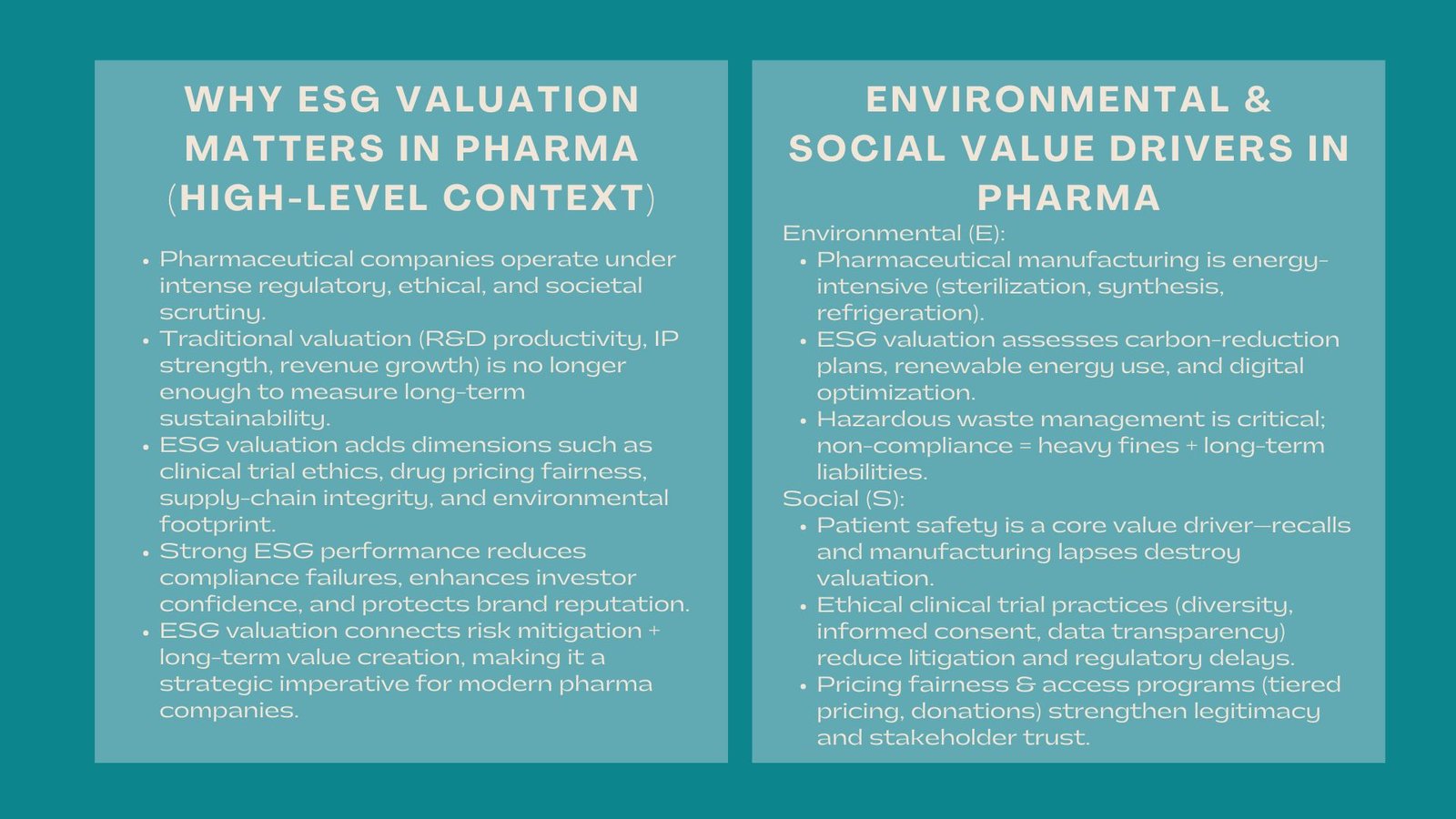
The Pharmaceutical business is the one that exists at the crossroads of the community health concern, innovation, and strict adherence. Increased expectations of the global community about sustainability are requiring investors, regulators and healthcare ecosystems to seek increased transparency, ethical governance and responsible business practices. Though the classical valuation models focus on the increase in revenues, the efficiency of the research and development, and the power of the intellectual property, these are the indicators that are no longer sufficient to describe the entire risk profile and long-term sustainability of the pharmaceutical firms.
The ESG factors today, such as supply chain integrity, clinical trial ethics, pricing, and carbon footprint, are very important in determining the value, sustainability and competitiveness of the pharma businesses in the eyes of stakeholders. This article pays particular attention to the application of ESG valuation frameworks to pharmaceutical companies, its reasons and ways organizations can incorporate ESG into financial decision-making.
1. Knowing ESG Valuation in the Pharmaceutical Situation.
1.1 The Problem of ESG in Pharma and in Most Industry.
The pharmaceutical companies are undergoing unusual high levels of scrutiny, regulatory pressure, and expectations on the part of the society. Whether it is drug pricing scandals or disclosure of clinical trials, the carbon footprint of a manufacturing process, every wrong move can have a serious impact on corporate image and value creation in the long term.
ESG valuation enables the investors to measure the extent to which a pharmaceutical company has been able to address risks and address the opportunities in relation to sustainability. Indicatively, firms that have high standards of quality-control, ethical supply chains, and effective governance tend to have a higher financial stability, a reduced number of compliance failures, and increased market confidence.
1.2 The connection between ESG Metrics and Financial Performance.
In comparison to generic sustainability reporting, ESG valuation links ESG results with financial results. Pharmaceutical companies are becoming more aware of how environmental efficiency can lower the costs of operation, how ethical research practices limit the risk of litigation and how engagement with the stakeholders at an early stage can enhance brand equity.
This integration of sustainability and financial performance is central to ESG valuation for pharmaceutical companies, where investors assess not just profitability, but the resilience of that profitability over time.
2. Environmental Factors: Manufacturing Footprint, Waste Management, and Decarbonisation
2.1 Managing Carbon-Intensive Production
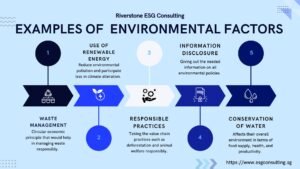
The process of pharmaceutical production is energy-consuming, as sterilization, refrigeration, the organic synthesis of the drug, and special facilities are required. Emission and energy consumption directly affect the costs of operation and the sustainability risk in the long run.
The ESG valuation that investors are engaged in examines very keenly emissions-cutting plans, energy-saving investments and net-zero advancement. The use of renewable energy or optimization of digital processes is a competitive edge to companies as it improves their financial and environmental standing.
2.2 Waste Treatment and Global standards.
The pharmaceutical activities result in hazardous wastes which should be effectively managed to prevent a breach of regulations. Lack of adherence to the environmental regulations results in sanctions, bad image, and closure of operations.
The companies that dominate the industry are now spending on waste-neutralization technology and circle-based manufacturing methods, enhancing the resilience of the environment and making the long-term liabilities less significant to the valuation.
3. Social Factors: Patient Safety, Medicinal Access, and Ethical Clinical Trials.
3.1 Core Value Driver of Patient Safety.
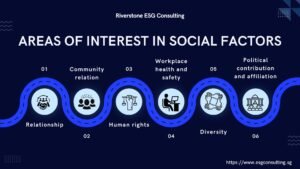
Recalls, drug safety incidents or manufacturing lapse would destroy the value of a company. Investors assessing the ESG performance are very keen on quality-assurance systems, pharmacovigilance systems and disclosure of safety information.
Such companies do not only keep patients safe, but also minimize litigation, brand loyalty, and regulatory status.
3.2 Clinical Trials and Data Transparency- Ethical.
Misconduct in clinical trials is a serious ethical, legal and financial concern. ESG valuation frameworks consider the consent processes, integrity of data, trial population diversity and transparency of publication.
Organisations that show high ethical practices usually have smooth regulatory processes and more investor trust.
3.3 Medicines and Pricing Practices Access.
Cost is one of the significant social concerns of healthcare in the world. Clear and equitable pricing strategies may improve reputation in the long-term perspective and political pressure.
Drug manufacturers that add equitable access policies to their ESG initiatives such as tiered pricing or donation initiatives, have a good reputation with regulators and increased legitimacy with the general population, a fact that benefits valuation.
4. Governance: Risk Controls, Compliance and Ethical Leadership.
4.1 Regulatory Compliance and Oversight
The company has successfully met regulatory requirements and is operating under government licenses and regulations in the region where it has set up operations.
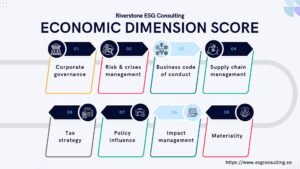
Since the pharmaceutical firms are in a highly controlled environment, the cost of failure in governance is colossal. The market access and valuation results directly depend on compliance with the standards of FDA, EMA, and WHO.
A high level of investor confidence is based on robust governance frameworks, i.e., independent audit committees, risk-management systems, and transparent reporting.
4.2 Anti-Corruption and Ethical Sales Practices.
One of the largest risks of governance of Pharma companies is sales and marketing misconduct. Billion dollar fines can be caused by cases of bribery, misleading marketing and even inappropriate selling incentives.
Investors determine whether organizations have explicit ethical codes, whistleblower policies and controls which are documented to deter unethical practices.
4.3 Intellectual Property Governance.
Creative IP protection is vital to valuation. ESG models are concerned with managing patents, licensing, and RD transparency by companies. The long-term competitive strength can be strengthened through ethical management of IP, in particular, when addressing global health crises.
5. Integration of ESG in the mainstream models of valuation.
5.1 ESG Risk Adjustments of Cash Flow Models.
Investors are incorporating ESG risks in discounting cash flow (DCF). As an illustration, an organization that has a waste water system that is not efficient can experience penalties in form of fines that increase the cost of operation and minimal future cash flows. On the same note, poor ethical practices in clinical trials can postpone approvals, or cause lawsuits, cutting projected revenues.
Potential risk integration produces a more precise financial image and shows opportunities to create value.
5.2 Discount Rates Adjustment to Sustainability Performance.
Increased uncertainty increases the discount rates within companies that have high ESG risks. On the other hand, firms that have good sustainability governance can have reduced risk premiums.
Analysts are currently however measuring these differences more accurately particularly in the sectors such as pharmaceuticals where external controls are high.
5.3 Adjusting Valuation to the IFRS Requirements.
The international reporting standards are observed by many pharmaceutical companies, and they incorporate more and more ESG-related metrics. The industry is seeing broader adoption of Pharma ESG valuation IFRS frameworks, which allow analysts and finance teams to align sustainability impacts with recognized accounting norms.
This combination assists investors to compare firms on an even playing field and determine the impact of sustainability on long term value of assets and on earning capacity.
6, Compliance as an ESG Catalyst to Competitive Advantage.
6.1. Building Reputation in the market.
The ESG compliance enhances the credibility of a company in the industry where the ability to earn the trust of the regulatory body, investors, physicians and the populace is vital. Businesses that have been responsibly operating and reporting on it in an open manner have greater reputational capital.
6.2. Improving Operational Effectiveness and Innovation.
ESG incorporation may lead to operational excellence, including efficient energy consumption, enhanced monitoring of the supply chain, and investment into low-emission production technologies. The enhancements minimize the cost in the long-term and increase resilience.
6.3 Gaining the Trust of the Investors.
Shareholders are also becoming more concerned with businesses that are striving to create a strong sustainability culture. A good level of ESG performance can result in enhanced financing prospects, sustainability indices membership, and the value creation in the long run.
In many markets, ESG compliance pharmaceutical sector is already a prerequisite for investor participation, especially among institutional funds with responsible-investment mandates.
Conclusion
The valuation of ESG has developed to be a critical part of the financial decision-making in the pharmaceutical sector. Taking into account and combining environmental performance, social responsibility and sound governance in valuation models can help businesses develop long term resilience, reduce regulatory and reputational risk and be more in tune with investors expectations. The pharmaceutical companies that develop early into ESG excellence will better their competitive stance, increase consumer confidence in the market, and win the long-term value as the global standards of sustainability keep developing.