ESG in Indonesia’s Banking Sector: Implementation and Challenges
Introduction to Sustainable Banking and ESG Certification Indonesia
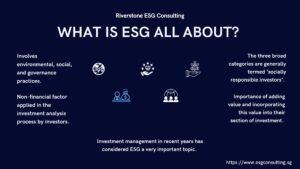
Indonesian banking industry is going through a significant change in is orientation towards the world trend towards environmental, social and governance (ESG) standards. The banks are no longer measured only by their financial level alone but by their effectiveness in contributing to the sustainable development, handling of environmental risks and inclusive growth.
Out of regulatory requirements and investor demands, Indonesian banks are making great strides in ensuring that they incorporate sustainability in their businesses. Nevertheless, introducing ESG to banking industry is not devoid of challenges. Challenges like the availability of data, alignment with regulation, and the complexity of risk management are some of the challenges that institutions should overcome to realize any meaningful progress.

The Escalating relevance of ESG in Banking.
Over the past few years, the concept of ESG has been at the heart of the functioning of banks in terms of their investment, operations, risk assessment. With world markets going into a state of sustainability, Indonesian financial institutions are realizing that ESG integration is no longer a choice, but a competitive requirement.
Otoritas Jasa Keuangan (or OJK), a Financial Services Authority in Indonesia has been instrumental in this change. By OJK Regulation No. 51/POJK.03/2017 on Sustainable Finance, banks must prepare a sustainability action plan, report on ESG activities, and contribute to the transformation in the country to a low-carbon economy.
Furthermore, the Indonesia Sustainable Finance Roadmap highlights what financial institutions should do to make their portfolios in line with the national environmental targets, including the production of net-zero emissions by 2060. This wave of regulations has seen the incremental integration of ESG models among the key banking institutions in Indonesia.
Initial Years of ESG Integration.
The Indonesian banks have started various initiatives where many banks have started considering sustainability in their governance and risk models. Megabanks, especially the state owned banks have created dedicated ESG or sustainability units which monitor the policy implementation and stakeholder engagement.
Examples include:
- Establishing sustainable-based lending schemes of green energy, waste, and infrastructure projects.
- The creation of an internal ESG scoring mechanism to measure the risk in the borrowers and their adherence to environmental regulations.
- Publication of sustainability reports on yearly basis in line with the international reporting models like Global Reporting Initiative (GRI).
While these efforts mark important progress, ESG implementation practices and sustainability challenges in Indonesia’s banking sector vary significantly between large, established banks and smaller regional ones. The bigger ones will have a better access to the expertise and resources, where smaller banks will often be incompetent to use the same degree of integration because of the cost and capacity.
Regulatory Drivers and Government Support.
Regulations also have played a central role in hastening the adoption of ESG. The Sustainable Finance Roadmap Phase II (2021-2025) of the OJK expects to further entrench ESG implementation with a number of initiatives:
- The usage of taxonomy-guided lending policies to categorize sustainable economic operations.
- The demand that banks should measure and report the environmental and social risks on their books.
- Individual capacity building by holding workshops and collaboration with international sustainability bodies.
Moreover, the membership of Indonesia in the global agreements, including the ASEAN Green Finance Hub and the United Nations Principles of responsible banking (UN PRB), proves the intention of the government to fit the domestic financial policies into the international regulations.
Although this has been achieved, the issue of regulatory enforcement and harmonization of data is continuing. Certain banks are reportedly struggling to balance the domestic reporting requirements with international sustainability reporting standards including the requirements of the Task Force on Climate-Related Financial Disclosures (TCFD) or the future international sustainability reporting board, the International Sustainability Standards Board (ISSB).
Integrating ESG into Banking Operations and Risk Management
At the operational level, integrating ESG principles into banking operations and risk management in Indonesia requires a systemic approach that embeds sustainability into every aspect of decision-making.
Credit and Lending Policies
Banks are starting to consider environmental and social risks in assessment of loan applications, especially of high impact industries such as mining, palm oil and manufacturing. This will assist in this determination of clients that are more prone to encounter environmental liabilities or regulatory penalties.
Portfolio Diversification
Banks and financial institutions are hedging their portfolio by investing in renewable energy, infrastructure sustainability and circular economy. This puts a limit on exposure to carbon intensive sectors and helps to boost national green growth agendas.
Operational Sustainability
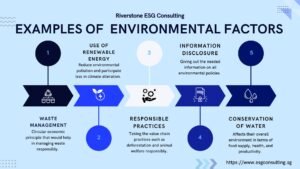
Banks are also making their operations within the company better by cutting down on energy usage, introducing digital banking in order to decrease the amount of paper usage and encouraging diversity and inclusion within their employees.
Governance and Accountability
ESG groups have become the norm in the corporate structure of the banks. These committees are in charge of the execution of sustainability strategies, risk management, and reports of compliance to the regulator and shareholders.
Such a combined methodology will help to make sure that ESG principles are not an outer fringe matter but rather established in the long-term business and risk management plan of the institution, as emphasized in the Key Insights Corporate Governance Training Singapore.
ESG Implementation Problems.
Although it is evident there is a commitment to sustainability, banks in Indonesia encounter a number of challenges in the process of effective implementation of ESG frameworks.
Information Security and Data Quality.
The unavailability of standardized and reliable ESG data of the borrowers is a persistent problem. A large number of small and medium-sized enterprises (SMEs), which comprise a good part of the Indonesian economy, are yet to generate full sustainability disclosures. This complicates the process of determining environmental and social risks by banks.
Capacity and Expertise Gaps
The technical expertise needed to implement ESG frameworks is in the carbon accounting, biodiversity impact, and social governance areas. A number of institutions especially those that are small do not have internal capabilities or resources to employ people to handle these areas.
Cost of Transition
The implementation of sustainable finance may entail the significant investment in technology, data systems, and training. These costs are prohibitive to smaller banks unless they are supported by government incentives or collaborations with development institutions.
Inconsistent Standards
Despite the regulations put in place by OJK, disjointed national and international ESG reporting requirements are still present. Such inconsistency makes compliance more difficult, particularly to local banks or those that have foreign investors.
Tradeoffs between Profitability and Sustainability.
Banks should strike a balance between their financial performance and their commitment to be sustainable. Green projects will not be always profitable in short term, which conflicts with shareholder perceptions and long-term ESG objectives though they are good in terms of environmental effects
Case Studies: Leadership in ESG.
Some of the Indonesian major banks have become pioneers in adopting ESG:
- Bank Rakyat Indonesia (BRI): Specializes in offering credit programs through sustainability-based credit to micro, small, and medium enterprises (MSMEs).
- Bank Mandiri: It implemented photovoltaic renewable energy and waste-management green financing portfolio
- Bank Negara Indonesia (BNI): BNI has signed the UN Principles of responsible banking, and has climate risk assessment in their investment intention.
These institutions are establishing the industry standards and demonstrating that ESG execution should not be at odds with financial development and operational efficiency.
Future Prospects of Indonesian Banks.
Nevertheless, the banking industry in Indonesia is at a crossroad of the opportunities. Sustainable finance can provide new opportunities to grow, such as:
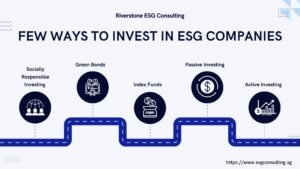
- Issuation of Green Bonds and Sukuk: This will increase capital markets of sustainability-linked financial instruments.
- Public-Private Partnerships: Green infrastructure, renewable energy and digital inclusion collaboration.
- Regional Leadership: Making Indonesia a sustainable finance model in the ASEAN.
Through the application of strong ESG practices, banks are able to have a stronger risk resilience, reputation and attract investors globally who are interested in sustainable investment opportunities.
The Path Forward
Collaboration, capacity building, and continuous improvement are the key factors that will determine the future of ESG in the banking sector in Indonesia. All the regulators, financial institutions and industry associations should collaborate to make the data standardized, reporting harmonized and enhance their technical expertise.
Continued support by the government in the form of incentives, policy alignment and green taxonomies structures will also play a key role in bringing about the change in a faster manner. Meanwhile, the banks should be ready to play a proactive role in enhancing the governance, embracing more transparency, and ensuring that sustainability is integrated in all their business units.
ESG can make the financial system of Indonesia a driver towards long term economic stability and protection to the environment, provided that it is well put into practice.
Conclusion
The incorporation of ESG principles in the Indonesian banking industry is an important development in the financial market of the nation. Although some obstacles like data quality, regulatory conformity and limitations of resources remain, the trend of sustainability seems to gain momentum.
ESG is now being integrated in the definition of success of Indonesian banks with a solid regulatory support, increased investor interest, and through the example set by leading institutions. These practices will not merely reduce the risks, but also create new avenues of sustainable growth, as the industry matures, and to support the vision of a green and more inclusive economy, Indonesia will do so.