ESG Valuation for Technology Startups
Introduction to Certified ESG Valuation Training for Startups
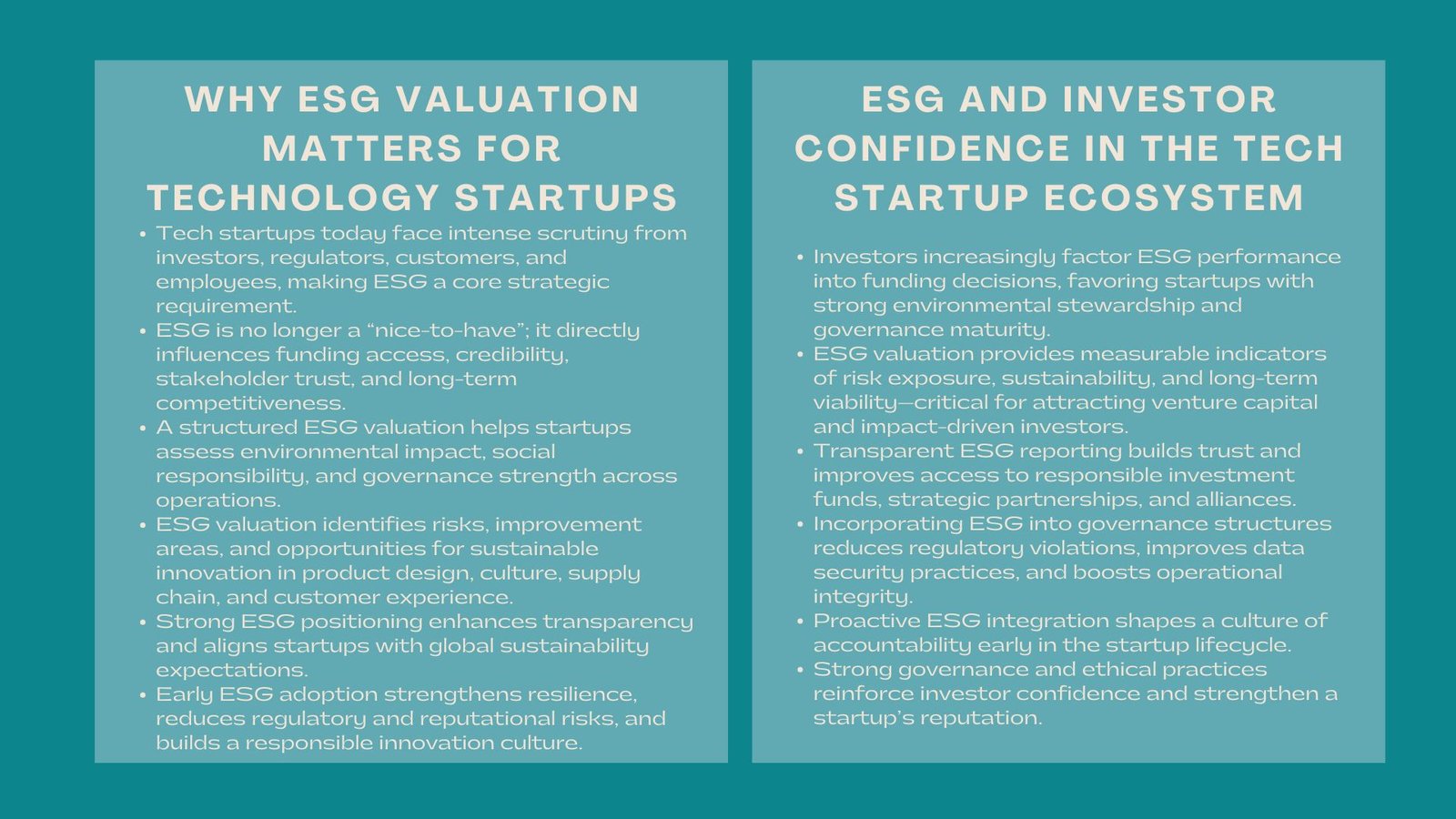
In the present competitive, innovation-driven and rapid economy, the technology startups are increasingly operating in the context of an enhanced level of scrutiny and markedly complicated demands by the varied group of stakeholders, investors, regulators, customers, employees, industry companions, as well as the general community.
Being responsible is not only determined by financial performance: startups are supposed to take care of environmental and social risks and control them successfully, adopt effective governance procedures and take the willingness to do business in the manner of ethics, sustainable and socially responsible business. ESG is no longer a non-core or marginal feature- it has become a core element of the strategic process that has a direct implication on the success of any startup in terms of acquiring funds, corporate credibility, and stakeholders trust, as well as long-term sustainability, and sustainable development.
This was done through methodical and thorough tech startup ESG valuation, start-ups can have the capacity to process an organized evaluation, measure, and benchmark their results in areas of environment, social, and governance. This is allowing organizations to recognize areas of possible risk, opportunities of how their operations can be improved, and inculcate principles of sustainability within each aspect of their operation- product design and development as well as organizational culture, supply chain operations, customer interaction, and decision-making procedures.
These valuation frameworks together with strict ESR practices of accounting can enable the startups to focus on the progress made, quantify impact correctly, and disclose performance in a fair manner to the stakeholders, thus, strengthening trust and conformity with national and global expectations and standards.
An effectively implemented process of the ESG valuation not only equips startups with practical information on the aspects that require improvements but also makes them appear as a progressive, accountable, and environmental organization in a competitive economy. Through the proactive incorporation of the ESG principles into the basic business strategies, startups can also generate socially valuable results over the long term as an array of non-shareholders, such as the investors in search of socially responsible investment opportunities, the staff in search of value-driven workplaces, the clientele in search of ethical and sustainable consumables, and the whole society can be suffering.
Furthermore, startups incorporating ESG at an early stage of their existence have a strategic edge since they show accountability in their activities, increase business resilience, reduce the effects of possible legal and reputational risks, and establish a culture of responsible innovation, which can be improved as the enterprise expands.
Amid a market where the global situation on market, regulation and investor expectations are ever converging towards sustainability, ESG valuation stops being a compliance endeavor and turns out to be a strategic point of divergence. It enables technology startups to make knowledgeable decisions, frameworks, and other tools to ensure they maximize their operational processes, enhance their governance mechanisms and establish a sustainable base that would guarantee their long-term growth. This systematic nature of approach enables startups to find their way around the environmental factors, social duties and its governance expectations with confidence such that its business model driven by innovation is sustainable, ethical and one that can bring a sustained value to the world in a fast-changing global ecosystem.
The Importance of ESG Valuation for Technology Startups
Enhancing Investor Confidence and Funding Opportunities
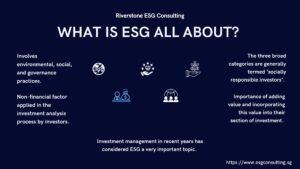
Access to capital is usually a factor that has led to growth in technology startups. Environmental performance is also an increasingly important consideration in investment decisions among these investors, the idea being to seek out startups not just in terms of innovation and financial potential but also in terms of environmental stewardship, social responsibility and governance. A tech startup ESG valuation is quantifiable and therefore can be utilized by the investors to determine the degree of risk exposure, sustainability and long-term viability.
By reports of active ESG metrics, compliance with the principles of ESG accounting, startups have greater chances of attracting venture capital, personal investments, and strategic alliances. These strong eSG valuation would enable investors to make sound decisions, which would be involved in funding responsible, resilient, and growth oriented start-ups.
Mitigating Risks and Strengthening Governance
The technology startups are subject to the risks of data security, cybersecurity, environmental consequences, and workforce handling in markets that are rapidly changing and therefore the risks involved are high. Through ESG valuation, startups can be in a proactive position to remove such risks through the consideration of ESG in the decision-making mechanism or process.
Good governance practices, reporting as well as compliance on ESG institutionalize decrease the occurrence of regulatory violations, reputation losses and inefficient operations. Incorporating ESG at an early stage helps startups to develop the culture of responsibility and accountability in management that is conducive to sustainable development.
Core Components of Technology Startup ESG Valuation
Environmental Assessment
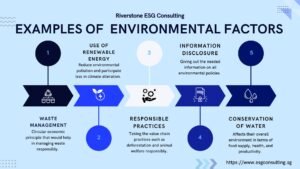
Startups in the field of technology that have a strong environmental connotation are specifically significant to the business ventures of hardware innovation, cloud computing, energy-heavy apps, or transportation technology. ESG valuation entails valuation of resource consumption, energy consumption, carbon emission, waste management, and environmental impact of products and services.
Quantifying the environmental performance using ESG accounting standards enables the startup to devise approaches to controlling carbon footprints, a sustainable design approach, and optimization of operations. Proper environmental analysis effectively builds investor trust, builds corporate image and contributes to organizational sustainability.
Social Responsibility and Workforce Engagement
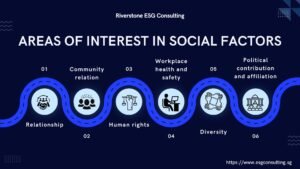
The social issues are the welfare of their employees, diversity and inclusion, community participation, protection of customers, and ethical businesses. The ESG valuation will help technology startups to quantify the levels of workforce satisfaction, retention, training programs, fair hiring practices, and social impact programs.
Start-ups whose main focus is social responsibility have the advantage of enjoying a better ESG accounting for startups employee interaction, customer base, and better brand reputation. Through a combination of social metrics with the ESG accounting, startups would be able to detect weaknesses, introduce changes, and convey their dedication to stakeholders to them.
Governance and Ethical Practices
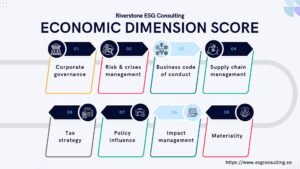
Technology startups need to find sustained growth based on strong governance. ESG valuation studies the board structure, the structure of decision-making, compliance procedures, a risk management system, and reporting transparency.
Well-organized governance frameworks in start-ups could make them accountable, reduce risks in operations, and portray integrity to their investors and partners. ESG accounting has offered a framework to monitor governance practice and improvement areas as well as to remain in touch with new requirements.
Integrating ESG into Business Strategy and Operations
Operational Integration of ESG Metrics
To implement an ESG effectively, one has to include considerations of environment, social performances, and governance as the main focus of a business strategy and the routine of the starts-up. With the connection of the ESG valuation outcomes with the strategic goals, the startups will be able to focus on building initiatives that will bring optimal sustainability and business expansion.
Sustainable product designing, energy-efficient infrastructure, employee development program, supplier ESG alignment and customer engagement strategies can all be considered operational integrations. The tracking of such initiatives using the ESG accounting would give quantifiable results and advancement.
Aligning ESG Metrics with Investor and Market Expectations
In the case of technology startups, ESG valuation should also be in line with the investor requirements and industry standards. Fearful to follow known ESG reporting frameworks, disclose essential performance indicators, and present ones to the stakeholders, startups are able to prove their transparency, foster their credibility, and establish meaningful communication with them.
Tuning ESG measures with market expectations assists startups (in competitive sectors) to distinguish themselves, raise funds with investors that focus on ESG as well as to be seen as responsible creators that may grow in a sustainable environment.
Benefits of Conducting ESG Valuation for Technology Startups
Attracting Responsible Investment and Strategic Partnerships
Companies that have an elaborate ESG valuation are better placed to garner investment interest in socially responsible investors, ESG-mandated venture funds, and corporate partners that are interested in finding sustainable partners. Measurable ESG indicators prove that the start up is becoming risk aware, responsible in its innovation and creating value in the long term.
Enhancing Brand Reputation and Market Differentiation
Open ESG performance reporting assists startups to build credibility amongst the customer, regulators, and industry counterparts. A comprehensive ESG profile will distinguish the start-up within a saturated market to recruit talent, build a base of loyal customers, and alliances that will help it grow in the long term.
Driving Operational Efficiency and Risk Mitigation
Through organized accounting and reporting, the startups identify the inefficiencies that reduce the risks and also allocate resources efficiently by analyzing the ESG metrics. ESG implementation increases the resilience of the operations and promotes regulatory adherence, as well as helps the startup to overcome the difficulties effectively.
Conclusion
The systematic tech startup ESG valuation and accounting for technology startups and stringent practices of ESG accounting has transitioned into a best practice to a strategic necessity of technology startups that would need to grow over the long term, capturing the interest of its investors, and gain responsible market presence. In the modern fast changing environment in business and investments, there are no longer occasions when a startup can be judged just in terms of its product innovation, introduction, and market share.
Investors, regulating bodies, customers and other stakeholders are putting greater scrutiny on start-ups based on their capability to incorporate environmental, social and governance related factors within primary operational and strategic procedures. Engaging in ESGs creation as integration of each and every element of the business, such as operational processes and corporate strategy, reporting and decision-making, technology startups can systematically track the performance in the ESG area, take active measures to reduce risks, and show a consistent responsibility and consciences to the diverse group of stakeholders, such as potential investors, governmental regulators, and socially-conscious consumers.
An effective and holistic ESG initiative enhances a sustainable environment, fosters social responsibility and the practice of strong governance at all tiers of the start-up. This is not only minimization of environmental footprint of operations and products but also promulgation of ethical practices in the workplace, maintaining the workforce diversity and inclusivity, maintaining fair treatment of employees, and maintaining responsible corporate governance practices.
This universal integration makes startups more efficient, gives them greater credibility and trust among stakeholders, more engaged workforce, and more appealing access to responsible and impact-seeking investment. By making ESG efforts congruent with the internationally established frameworks and reporting systems, startups can be viewed as visionary leaders in sustainable innovation that will signal a message to investors, customers, employees, and the society at large that startups are determined to create the value in the long term, which will not only be immediate but also sustainable.
Besides, the ongoing implementation and optimization of ESG practices, with the assistance of data-driven insights, enable the use of technology startups to measure the performance, assess the trends, and make quality changes to both the strategy and operations.
Through quantitative and qualitative ESG indicators, startups are able to detect risk areas, opportunities, and possible extent of innovation that is sustainable in nature of running a business. Such an organizational strategy not only provides the organization with increased resiliency during the times of a market shred but also positively influences the competitive strength of the startup, making it adaptable, accountable, and sustainable in the rapidly changing environment of the market.
This is because, as the value of ESG provisions gains more attention in the decision-making of investors, regulators, customers, and partners, technology startups that adopt ESG valuation and accounting plans at the initial stages of startup become particularly successful. Proposing the ideas of ESG at the earliest, start ups can predict the regulatory needs and address the expectations of environmentally friendly investment, and position themselves on the market as the reliable, integrity-loving, and progressive players. In addition to compliance, such strategic emphasis enables start ups to innovate in responsible ways, establish a vibrant organisational culture and make meaningful contributions to the maintenance of environmental sustainability, social equity and excellence in governance.
However, the final point of concern is that by being the integral part of the business strategy, the ESG would not only guarantee the readiness of the technology startups with the challenges of the present day, but also tackle the challenges of the future markets in a responsible manner.
Through systematic ESG measurement, integration of sustainable operations and increasing transparency in reporting to all involved stakeholders, startups will be able to achieve a sustainable competitive advantage, better quality investment, better brand reputation and positive impact to the extent of it being quantifiable and beneficial to both employees, customers, investors and the entire society. Technology startups show the ability to lead sustainable innovation through a long-term lifestyle of ESG valuation and accounting and enjoy business success without damaging the entire global economy and making it more responsible and equitable.