ESG Accounting in Insurance Industry
Introduction to Advanced ESG Accounting for Insurers
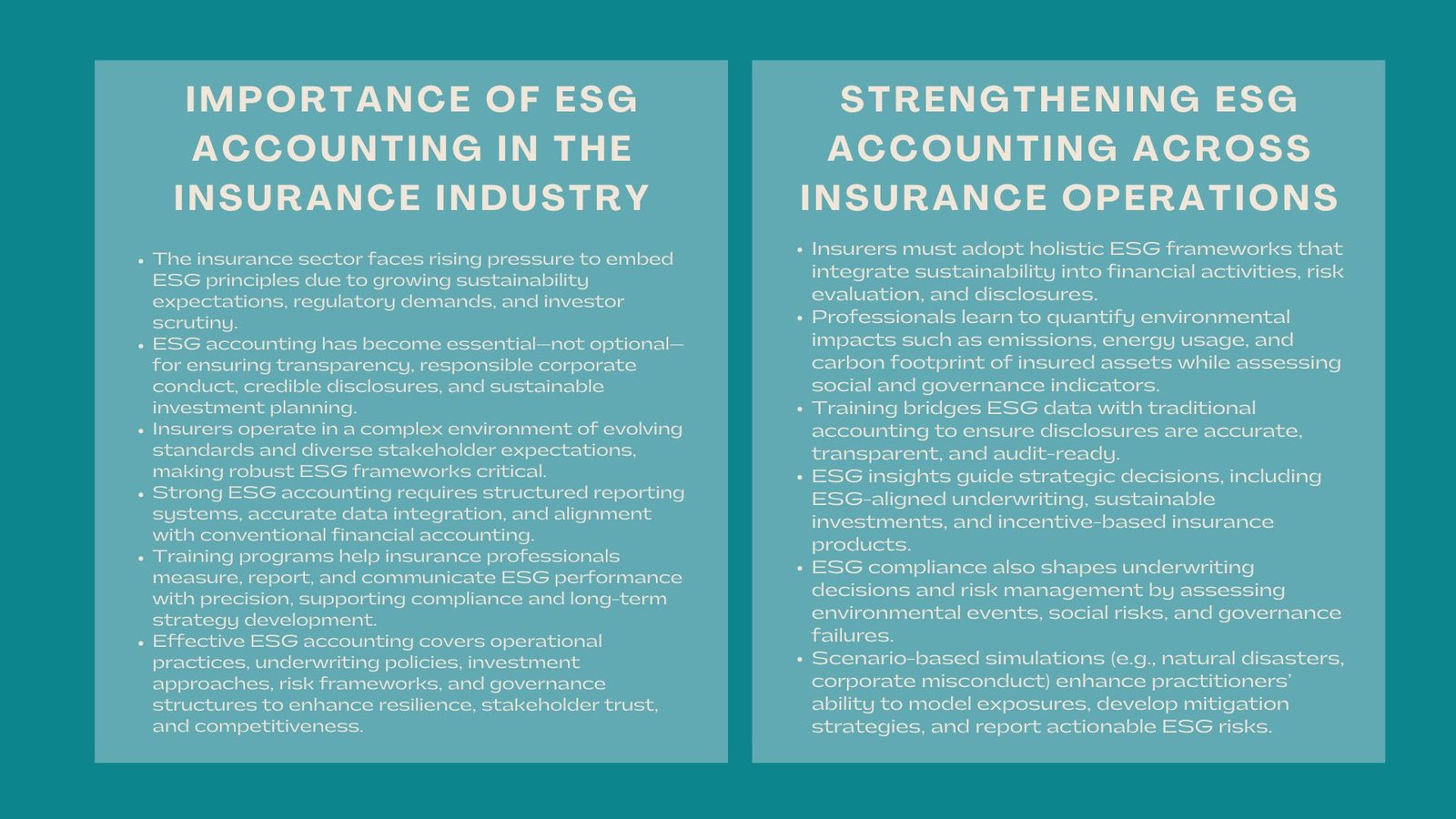
The insurance sector is under pressure to work towards embedding Environmental, Social, and Governance (ESG) principles into the organization in the current changing financial and regulatory landscape. In addition to the conventional risk management and financial reporting, insurance companies are currently required to provide responsible corporate conduct, transparency and disclosures as well as sustainable investment plans. IGS accounting has become an essential part of the insurance industry rather than an option and this reduces investor confidence, complying with regulations, and general corporate reputation.
Insurance company professionals are forced to live in a difficult environment of regulations, new world standards, and expectations of stakeholders. A good model of ESG accounting needs strong frameworks, sound reporting procedures as well as transparency in integration with conventional financial accounting procedures. It can invest in organized programs in accordance with insurance ESG accounting standards and ESG compliance, organizations train their staff to measure, report and communicate the ESG performance accurately in order to guarantee compliance and strategy creation.
The insurance ESG accounting scope includes the operational practices, underwriting policies, investment decisions, risk management as well as corporate governance. Formal ESG accounting systems would allow the insurers to measure the environmental effects, gauge the social responsibility measures and put in place the best governance practices without losing the transparency levels. These efforts promote resilience in the long term, increase the confidence of stakeholders and improve competitiveness in an industry that is being increasingly influenced by the aspect of sustainability.
Strengthening ESG Accounting Practices Across Insurance Operations
Implementing Holistic ESG Frameworks
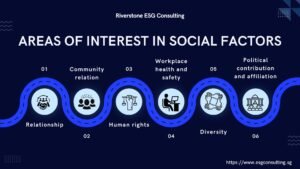
The insurance companies have to shift to comprehensive ESG accounting models, which permit the consideration of sustainability in the financial activity, risk evaluation and reporting. Expert practitioners get knowledge on how to quantify the effects that the environment suffers including the greenhouse gases, energy consumption, and carbon footprint of insured assets. Social measures such as workforce diversity, engagement of the local community and protection of its customers are reviewed in combination with governance indicators like internal control, board supervision and compliance with policies.
Training programs can offer practical modules that can reconcile the ESG metrics with the traditional accounting to make sure that the ESG disclosures are accurate, transparent and auditable. By fostering the skill to detect gaps, take corrective actions, and ensure the ESG compliance insurance sector consistency among several reporting periods, professionals make the companies compliant with the regulatory standards, and they promote the long-term strategic objectives.
Organized ESG models also offer a guide on how sustainability can be incorporated into the strategic decisions of a firm. In particular, insurers may modify the underwriting policies, depending on the ESG risks estimation, invest in the sustainable industry, and create insurance policies that require an incentive to have an environmental or socially-approved conduct. Insurers are able to incorporate ESG metrics in the core business decisions and thus can show quantifiable difference without negatively affecting the financial performance.
Embedding ESG Compliance Into Risk Management
ESG compliance does not just stop at reporting but should also affect underwriting decisions as well as risk management. The insurance practitioners need to know the impact of underlying environmental occurrences, social issues and governance behavior on the risk profile of investment portfolio and policies. The structured workshops are dedicated to the analysis of the ESG-related risks, modeling the possible exposures, and applying the critiques to the pricing and policy development.
An example is the risk associated with weather conditions like flood or a hurricane that may cause huge damage to property and casualty insurance portfolios. The programs of ESG accounting are useful to enable professionals to measure such risks and include mitigation strategies in the process of underwriting and claims. Likewise, social issues, including labor practices of corporate clients, and governance risks, including compliance failures are assessed in order to safeguard the company as well as stakeholders.
As regulation compliance aligns with the risk frameworks, the insurers can be more prone to prevent and lessen the consequences of financial losses and boost the resilience of portfolios along with preparedness to address the changing regulatory needs. Simulation exercises used in the accounting workshops on ESG are frequently based on scenarios, reflecting real life insurance risk, whether natural disaster or corporate governance failure, to enhance decision making risks. The participants get to know how to report on actionable risks, how to evaluate the effects of ESG in a quantitative and qualitative approach and how to report effectively to the leadership.
Developing Core ESG Accounting Competencies
Advanced Analytical Skills for ESG Reporting
The contemporary ESG accounting necessitates good analytical skills. Professionals are taught to collect, assess and substantiate ESG information provided by various sources such as investment portfolio, underwriting report and operation processes. These training lays emphasis on materiality assessment, so that the reported ESG measurements across the organization convey the most meaningful environmental, social, and governance issues that influence the organization.
The participants are also able to train on how to combine ESG indicators with the conventional financial metrics in order to have a global perspective of the performance of the company. As an illustration, the following can be done: carbon emission reductions can be tied to cost savings on risk mitigation measures or the well-being initiatives of employees can be contrasted with the outcome of per capita operational efficiency. There are also workshops where ESG dashboards, reporting templates and audit tools would be used in exercises aiming at simulating real-world reporting needs to prepare professionals to produce reports that would be acceptable to regulators, investors and rating agencies.
Integrating ESG Into Investment and Underwriting Practices
The success of insurance companies in the long term, in terms of profitability and sustainability, is strongly connected to the ESG-informed investment and underwriting strategies. The course of training on ESG accounting assists the professionals in integrating the elements of environment, social and governance considerations in the analysis of investment, and underwriting.
The respondents discuss ways to make sustainable investments, examine the performance of corporate ESG, and introduce ESG into making underwriting policies. Case studies frequently involve the review of investment portfolios to find out the high risk sectors, the evaluation of ESG ratings of the possible clients, and the structuring of insurance products in accordance with the sustainability goals. The practices enable the companies to minimize the reputational and financial risks in addition to creating long-term value to the stakeholders. With the help of scenario based exercise, professionals are trained to make strategic decisions that are ESG friendly in nature, so that every insurance product and choice of investments is based on the requirements of both ethics and profits.
Industry-Specific Application of ESG Accounting
Tailoring ESG Accounting to Regulatory Standards
The different regulating bodies across various jurisdictions on insurance matters, and ESG accounting has to represent these differences to be in conformity. The programs inform participants of how to align ESG structures to local and international practices, such as climate-related financial reporting, governance principles, and social responsibility principles.
Aligning the ESG practices with individual regulatory settings is a guarantee that will make reporting accurate, credible and relevant to stakeholders. As an example, insurers in the EU have to adhere to the Sustainable Finance Disclosure Regulation (SFDR) and Non-Financial Reporting Directive (NFRD), which are not the case with the U.S.-based insurers, since priorities rest on the SEC Disclosures on climate items and the NAIC principles. The professionals are taught how to understand such requirements, how to figure out how to report in various jurisdictions and where to keep documentation audit-ready to be available to regulators and investors.
Embedding ESG Principles in Operational Processes
ESG accounting is stretched into the daily running insurance activities, both claims and policy administration. The focus of training is about the practical incorporation, e.g., the aspects of ESG in claims assessment, setting price on the policy, and treating the customers. Professionals are taught to estimate risks associated with ESG in the working processes, to have controls, and to document processes according to the ESG and financial standards.
As an illustration, measuring the carbon footprint of insured assets at underwriting approval, measuring diversity of employees in internal governance audit checks and examining supplier environmental sustainability of outsourcing contracts. The operational implementation of ESG principles enhances the capacity of the insurer to achieve the ESG obligations besides enhancing efficiency, accuracy, and confidence among the stakeholders.
Leveraging Technology and Data Analytics in ESG Accounting
Utilizing Digital Tools for ESG Monitoring
High level of technology is very vital in the improvement of ESG accounting. Insurers are educated to use digital platforms and data analytics and reporting software to oversee real-time performance on ESG. Dashboards will provide the ability to continuously monitor environmental, social, and governance indicators and take proactive measures, as well as make better decisions.
There is also the ability to conduct scenario analysis, predictive modeling and automated reporting which is facilitated by technology. Professionals are taught to combine ESG data with the conventional financial system, which creates a holistic overview of the performance of the organization as well as meets the internal decision-making and external disclosure requirements through the creation of comprehensive, audit-ready reports.
Measuring ESG Performance and Driving Continuous Improvement
Systematic ESG programs show the professionals how to determine key performance indicators (KPIs), benchmarks and monitor the progress in using ESG initiatives. Constant evaluation, self-monitoring, and performance auditing would make sure ESG practices are changed as the regulatory requirements, surrounding needs of the stakeholders and trends in the industry vary.
As examples, KPI monitoring can be used to monitor the decrease in green gas emissions, client portfolio sustainability rating, employee ESG awareness, or governance compliance measures. By implementing continuous improvement strategies, insurers will be able to enhance policies, achieve cost-effectiveness in resource allocation and increase their overall ESG performance, which will have tangible effect and be consistent with corporate strategy.
Emerging Trends and Strategic ESG Leadership
Responding to Regulatory Evolution and Market Expectations
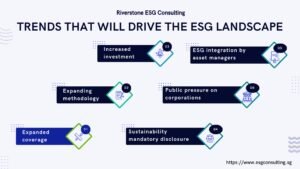
The environment of ESG is ever-changing, and the international standards, local regulations, and expectations of the stakeholders are updated quite frequently. The ESG accounting programs train the professionals to predict and react to the changes to make them comply, flexible, and can survive in the operational environment.
The training will involve scenario planning, global ESG, and incorporation of best practices by other leading insurers. The participants learn how to make ESG policies dynamic and thus stay on track with the emerging investor interests and regulatory demands, as well as strengthen the corporate brand.
Driving Innovation and ESG Leadership in Insurance
In addition to compliance, ESG accounting may promote strategic innovation in the product development, the investment strategies, and corporate governance. Among other aspects, professionals are taught how to spot an opportunity related to ESG, how to create new types of insurance products, and how (as a competitive advantage) sustainability plays a role.
As an example, coming up with products that are green insurances or rewarding investments that are low-carbon or coming up with mitigation claims risks that are ESG-oriented. The development of an ESG leadership in the organization improves the confidence of stakeholders, draws responsible investors, develops the brand image, and instills a culture of sustainability in companies.
Conclusion
The creation of an effective, holistic ESG accounting/compliance practice in the insurance industry is critical towards ensuring sustainability, regulation compliance, and long-term strategic value creation. Through ensuring ESG insurance accounting standards and application of structured ESG programs, companies empower the professional with tools to quantify, report, and evaluate performance in the underwriting, investment, and operations functions.
A commendable ESG plan makes the organization a strong steward of the environment, and increases social responsibility efforts, and positive governance practices. The advantages are that the insurers have the ability to manage risks, diversify investment portfolios, increase risk compliance, increase stakeholder confidence, and resiliency in the long-run.
By integrating the ESG concepts into the food and drink operations, insurers show the way to sustainable banking, attract responsible investors, develop innovative ideas, and achieve customer, shareholder, and employee value and value that are measurable to society overall. By implementing ESG accounting practices for insurance industry sustainability and compliance and operational activities, insurers will be well placed in their long-term growth, sustainability and competitive edge in the global market that is increasingly focused on sustainability.
With an ongoing monitoring process, the application of analytics, a scenario-driven planning approach, and integration of operations, the concept of ESG accounting is not a compliance issue but a strategy that will lead to innovation, efficiency, and sustainable profitability. Active adoption of ESG accounting standards and frameworks by all insurers will not only ensure that they comply with the provisions set by the regulators but will also emerge as leaders of an industry that is resilient, responsible, and ready to manage in the future.