ESG Valuation Methods for Energy Companies

Introduction to Comprehensive ESG Valuation Energy Firms

The energy world is more dynamic than ever, with renewables gaining momentum, carbon regulations getting stricter, and investors seeking their identity in the so-called green returns, it is no wonder that the concept of ESG becomes the new buzzword everybody is chasing. The thing is however, that nowadays merely placing a sustainability label on an annual report is not sufficient. The real challenge? It is a puzzle how to figure out how to value all those environmental, social, and governance (ESG) moves in a manner that is sensible to both shareholders and auditors.

The ESG valuation is one such tool – something to enable energy enterprises to balance profit and purpose and provide investors with a better understanding of which ones are actually walking the walk, as far as climate responsibility is concerned.
Comprehensive ESG Valuation Energy Firms

1. The importance of ESG Valuation in the Energy Industry.

1.1 A Shifting Energy Landscape

Oil and gas giants do not pump barrels anymore rather pump out data, disclosure reports, and climate declaration. Renewable energy companies, however, are being put to the test to show that they are as viable as they are environmentally friendly. This has made Energy sector ESG valuation a key metric for everyone — from investors to regulators.

1.2 The Risk-and-Reward Equation

Envision ESG as a risk management prism. Any company that does not consider carbon threats or community outrage may incur increased costs, stalled projects or even assets stranded. Conversely, the companies that adopt ESG innovation – such as by investing in carbon capture or clean hydrogen – will have superior scores in long-term alpha models.

2. The ESG Valuation Key Pillars.

2.1 Environmental: Emission to Energy Efficiency.

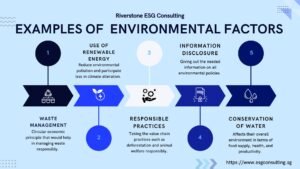
The impact measure in this part is all about the carbon footprint, renewable mix, waste management, as well as biodiversity. Energy companies are now calculating data to determine how green operations are converted to economic value. Example? An energy-efficient technologies refinery that reduces emissions can boast of cost-saving and insuring against carbon taxes in the future.

2.2 Social: Individuals and Society Count.

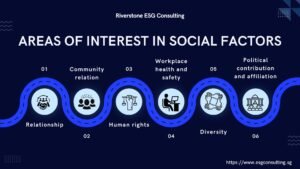
Social measures such as the worker safety, community relations and the development of local communities have a colossal impact on the perception of the energy companies by investors. Don’t forget the time when bad labor practices or environmental demonstrations struck stocks? Sure, that is the reason why the quantification of social impact is becoming a necessity to the long-term valuation.

2.3 Governance: The Underpinning of Credibility.

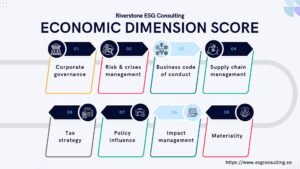
Regardless of the cleanliness of your source of energy, bad governance will sink your ESG score. Firms that have found boards of great visibility, proper risk management, and their procurement policies being ethical always perform better than the ones that are not.

3. Algorithms of Valuing ESG in the Energy Attention.

3.1 The Discounted Cash Flow (DCF) an ESG Twist.

DSF models are now being adjusted by analysts to include ESG factors. They modulate the cash flows at the risks of climatic conditions, increasing compliance expenses, or green premiums. As an illustration, a solar firm, which has lower operational emissions and a well-known ESG track record could be valued at a premium over a fossil fuel player that has the same revenue.

3.2 Comparative Valuation on ESG Scores.

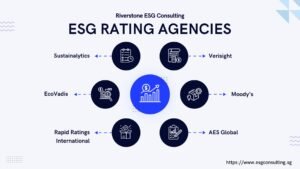
Other companies use the services of ESG rating agencies such as MSCI or Sustainalytics to assess performance. Greater ESG scores tend to have a negative correlation with capital cost and increase in investor demand. It is not ideal, however, it is a step in the right direction in terms of consistency in valuation measures.

3.3 Sensitivity Analysis and Scenario.

The energy firms have come to model various futures: high prices of carbon, growth of renewable market, or stricter regulations. They assist investors in observing how ESG projects might affect profitability in the long term – such as a what-if filter to conventional financial projections.

4. Challenges of Reporting: Making Metrics Meat.

4.1 The Data Dilemma

The process of data collection remains sloppy. Most companies find it challenging to measure their sustainability indicators in accordance with financial reporting. That’s why frameworks like GRI, TCFD, and IFRS S2 are becoming the go-to references for ESG reporting for energy firms trying to clean up their disclosures.

4.2 Avoiding Greenwashing

ESG valuation is not merely making a good appearance in print – investors are able to identify a green front a mile away. The trick is authoritative reporting that is supported by verifiable information, third-party guarantee, and clear methodologies. The further reporting is consistent, the more ESG effects on value can be estimated.

5. Real-Life Case: The Energy Transition at Work.

An example is Shell or Petronas. The two are both steering the hazardous path of fossil fuel reliance to renewables. They are evaluated based on the speed of their decarbonization process, but the effectiveness with which they control their governance, transparency, and interactions with communities. Investors now desire actual data: reduction of emission in per megawatt-hour, share of renewable resources, and measures of the governance control.

Southeast Asian smaller players are also playing catch-up. Investment in solar projects or biomass by independent power producers is taking advantage of the ESG frameworks to get international green funding. The point is measurable evidence – not statements.

6. ESG Valuation Edo, Integrating ESG Valuation into Corporate Strategy.

6.1 The relationship between ESG Metrics and Business KPIs will be established.

The energy companies that incorporate ESG indicators in corporate KPIs such as basing CEO bonuses on carbon reduction or safety performance have a strong signal of responsibility. This coordination means that ESG is no longer one that comes after business strategy, but as a business strategy.

The company must communicate effectively with current investors and keep them informed about both its performance and upcoming strategies.

6.2 Investor Communication and Transparency 

The company is obliged to maintain a high level of communication with the existing investors and to inform them about its performance and future plans.

Open ESG reporting creates credibility. Firms that publicly report on their ESG performance will have long-term investors and better lending rates. It is not a question of whether to report it or not but rather how to do it in an effective manner.

7. The Future of Data, Technology and Regulation: The Road Ahead.

The ESG valuation is going to get improved technology and clarity. Artificial intelligence and blockchain are already assisting businesses in checking the data on emissions and supply chain sustainability. In the meantime, regulators are strengthening the standards to provide the standardized ESG reporting across the borders.

The most beneficiary will be energy companies that embrace change promptly. They will be able to remain ahead of the expectations of the market and regulators by creating clear reporting systems and powerful valuation tools, and demonstrate that sustainability and profitability are not mutually exclusive.

Conclusion

The current situation in the ESG valuation is changing, yet this much is certain: the energy industry cannot do without it. With investors wanting better, data-driven insights on sustainability performance, measurement and communication of ESG value will be a game-changer.

Companies who operate in the Energy sector and have become masterful at Energy sector ESG valuation and optimized their energy company strategies ESG reporting aren’t simply checking compliance boxes they are actually defining the future of valuable and responsible energy finance.

Related Posts

Transform Data Into Impact With Expert ESG Reporting

Ensure transparency, meet compliance, and build stakeholder trust-connect with us today.