Renewable Energy and ESG Opportunities in Indonesia

Introduction to Renewable Energy and ESG Training Indonesia

Indonesia has reached a very important crossroad in its energy and sustainability experience. The country is now making itself a regional epicenter of sustainable energy investments with the growing demands across the globe in cleaner growth, and with a growing need among investors to know more about the company. Indonesia, being one of the largest economies in southeast Asia, with a massive energy consumption, makes its shift to renewables a challenge and a huge opportunity to the businesses and policymakers.
Renewable Energy and ESG Training Indonesia

The Energy Transition Landscape of Indonesia.

The present energy mix used in Indonesia is still largely made up of fossil fuels which are mostly coal and oil and which form the bulk of the power generation. The government has however undertaken major undertakings in the Paris Agreement and the National Energy Policy (KEN) to use cleaner sources of energy. The goal is ambitious: it is planned to reach 23 percent of the total energy mix of renewable energy by 2025 and 31 percent by 2050.

These are some of the incentives that have been unveiled by the government to achieve these objectives; feed-in tariffs, fiscal benefits, and public-private partnerships. Integration of renewable projects into its power development plan, RUPTL, that provides the roadmap on generation in the country has also been assigned to the state electricity company, PLN. This strategy is characterized by a gradual yet consistent de-coalification and more emphasis on solar, hydro, geothermal and biomass energy.

New Investment Environment.

The geography of Indonesia provides it with an inherent competitive advantage in the renewable development. The nation possesses immense geothermal potential, which has been estimated to be one of the largest in the world, and there is also the availability of solar radiation and hydro. These facts render it a favorable investor market where one would want to obtain long term sustainable returns.

The investment in renewable energy is rising in the form of foreign direct investment with Japan, South Korea, and Singapore making a lot of interest in developing large scale solar and geothermal plants. Domestic investors are too increasing their pace and it has realized the profitability and stability of renewable projects especially with the global capital movements in support of green investments.

That has been given impetus by governmental backing in the form of green bonds and introduction of sustainability-twined borrowing. Indonesia was the first or one of the Asian countries to issue sovereign green sukuk, as it is determined to fund the climate-friendly projects. These financial mechanisms are an indication to the global investors that the government is keen on initiating a low-carbon transition.

The ESG and its Impact on Renewable Development.

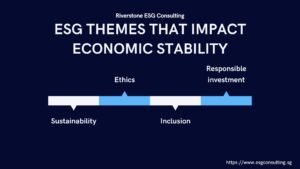
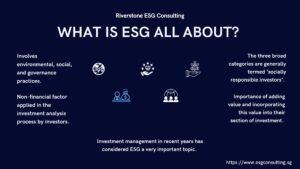
The principles of Environmental, Social and Governance (ESG) are now in the center of the approach of the investor in the energy sector of Indonesia. Those companies that focus on responsible governance, environmental care, and social integration find it easy to raise capital and deal with long-term risks.

ESG criteria are becoming more and more applied by global investors in evaluating infrastructure and energy projects. This has been especially noticed in Indonesia, where renewable energy projects are not only judged based on financial criteria but also based on their consistency with sustainability outcomes- e.g. carbon emissions reduction and communal good.

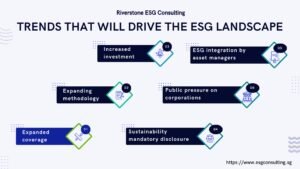
There is one great chance here: the consideration of ESG in renewable projects will raise the level of credibility and financial feasibility. Lenders and institutional investors now require transparent reporting of their sustainability and measurement of the impact as a condition to fund them.

Green Economy Policy Support.

The policies of the Indonesian government are still being modified to promote the growth of renewable energy. To increase investor confidence, the Presidential Regulation No. 112/2022 on Renewable Energy also establishes the pricing mechanisms, procurement procedures, and power purchase agreements.

Moreover, the long-term development vision of Indonesia that is expressed in the National Medium-Term Development Plan (RPJMN) highlights the principles of the green economy as the foundation of the future development. Such frameworks favor the provision of climate resilient infrastructure and low emission development processes.

A key component of this shift is renewable energy investment and ESG growth opportunities in Indonesia, which together represent an integrated approach to building a sustainable economy. With more responsible business practices, the companies will be able to not only utilize renewable energy but also be a part of the renewable energy market as a means of compliance and competitive potential.

Investing in the Energy Transition.

The possibilities are enormous, but the issue of funding is a huge one. Renewable projects are usually capital intensive and the investors want to see an indication of the policy and the regulations being stable before they can commit. This is where green financing instrument and blended finance are very crucial.

A combination of the two, which is the collaborative effort of the government and the private sector, and the use of concessional loans by the international development banks has helped de-risk investments. Through funding mechanisms, which put renewables in the forefront and coal in the background, the Asian Development Bank (ADB) and the World Bank have helped Indonesia in its energy transition.

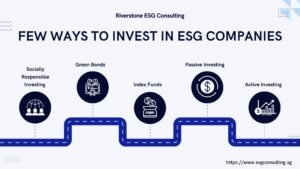
Lending lamps are also changing their lending requirements to accommodate the low-carbon projects. Businesses with sustainability effects that are quantifiable are finding it easier to have access to green credit facilities offered by banks. This financial behavior change is in line with the overall Indonesian approach of mobilizing the private capital towards green development.

A second critical component of this transition is sustainable energy transition and green financing initiatives in Indonesia, which reflects the convergence of environmental responsibility and economic opportunity. The country seeks to unlock the funds that can help it move faster in eliminating the use of fossil fuel by encouraging sustainable financing.

Challenges to Overcome

Indonesia has continued to experience structural problems despite the positive momentum. Uncertainty in regulation, lack of coherent incentives and land acquisition factors have slowed down the implementation of renewable projects. In addition, the prevailance of state-owned utilities and the current system of fossil-fuel subsidy will encourage non-participation of the private sector.

Another problem is the ability of the local financial institutions to assess and handle the green projects properly. Whereas the giant international banks have established strong ESG evaluation systems, local banks continue to gain expertise in these systems. The elements that will be very important in scaling up domestic investment in renewables include capacity building, transparency, and collaboration.

Also renewable infrastructure development should be socially and environmentally balanced. To ensure that the social license to operate is sustained, it will be necessary to ensure that the local communities will enjoy the benefits of new projects, such as employment, clean energy accessibility, and community programs.

Vision statement: Future of a Sustainable Future.

Renewable energy and ESG in Indonesia is still at its inception but the momentum is evident. With the world economy approaching the decarbonization process, Indonesia is poised to be at the forefront of the green transformation in Southeast Asia due to its rich resources and changing regulatory and financial systems.

Renewable energy is not only an environmental requirement, but an economic opportunity that can be implemented in the national grid, which must be supported by sustainable funding and the principles of ESG. The companies which are the first to act so as to align their strategies to the national and international sustainability goals will be in the best position to succeed.

The future of the Indonesian economy will be based on its ability to shift towards a cleaner energy, draw in sustainable investments, and maintain high levels of ESG. Riverstone ESG Consulting and other firms of this sort are very vital in leading this transition and assist investors and corporations to see opportunities that lead to value creation and also contribute to a greener tomorrow.

With renewable energy as the key driver of sustainable development agenda in Indonesia, the role of government, industry, and financial institutions to work together will dictate whether the transformation will succeed. It has been established, now it is time to speed up the development to an equitable, low-carbon, and prosperous Indonesia.

Conclusion

The transition to renewable energy in Indonesia is a necessary step on the way to the sustainable development of this country and its competitiveness in the world market. The country has the potential to be the pioneer of green transition in Southeast Asia with more powerful policies and investor attention. Indonesia can make significant strides on the way to net-zero outcomes by proceeding with renewable energy investment and ESG development opportunities in Indonesia and enhancing sustainable energy transition and green financing efforts in Indonesia.

Related Posts

Transform Data Into Impact With Expert ESG Reporting

Ensure transparency, meet compliance, and build stakeholder trust-connect with us today.